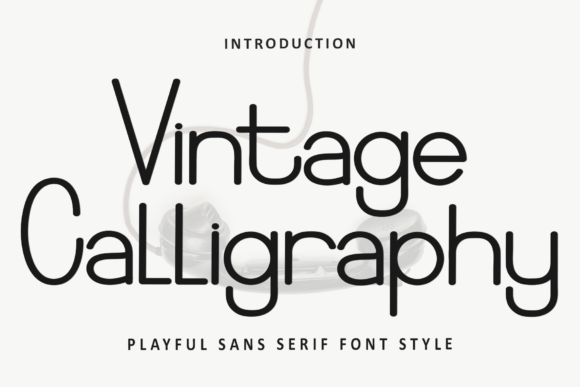
Vintage Calligraphy: A Font That Tells a Story
There's a particular kind of charm that comes with a hand-lettered wedding invitation or the logo of a heritage brand. It feels personal, crafted, and full of history. This is the exact feeling that a well-chosen script font can bring to a modern project, bridging the gap between classic elegance and contemporary design. Among the many options available, one typeface stands out for its ability to evoke nostalgia while remaining incredibly versatile: Vintage Calligraphy. This isn't just another decorative font; it's a design asset with a distinct personality, perfect for creatives who want to inject warmth and authenticity into their work.
More Than Just Pretty Letters
At its core, Vintage Calligraphy is a display font characterized by its soft, flowing strokes and unique character shapes. Unlike rigid, mechanical typefaces, it carries the subtle imperfections and rhythm of hand-drawn lettering. The "vintage" aspect isn't about being outdated—it's about referencing a timeless aesthetic. The letterforms have a natural weight and movement, making them feel both meaningful and approachable. This balance is what makes it such a powerful tool. It can look luxurious on high-end packaging, heartfelt on a personal blog, or bold on a social media graphic. The various characters included in its family allow for creative freedom, enabling designers to craft logos, headlines, and monograms that truly stand out.
Where This Creative Font Shines: Real-World Applications
The true test of any typeface is how it performs in the wild. Vintage Calligraphy excels across a surprising range of projects, thanks to its adaptable nature. For small business owners and entrepreneurs, it's a secret weapon for building a memorable brand identity.
Think about packaging design for artisanal goods—coffee, candles, baked goods. This script font immediately communicates craftsmanship and care. In logo design, it can form the centerpiece of a wordmark for a boutique, a salon, or a freelance photographer, setting a tone of elegance and personal service. It's equally effective in editorial design, adding a sophisticated touch to magazine headlines, book covers, or chapter titles that draw readers in.
For the digital space, this font is a powerhouse. Social media graphics gain instant personality with a Vintage Calligraphy headline, stopping the scroll in a feed full of generic text. Bloggers and content creators can use it for post titles or quote graphics to reinforce their site's aesthetic. Even in web design, used sparingly for hero text or call-to-action buttons, it adds a layer of warmth and human touch that sans-serif fonts often lack.
Beyond the screen, its applications are just as broad. It's ideal for print materials like business cards, letterheads, and posters. Invitations for weddings, parties, or events become instantly more special. Merchandise like t-shirts, mugs, and tote bags featuring a quote or name in this typeface feel more curated and valuable. Essentially, if your project needs to feel personal, artistic, or premium, this font is a strong candidate.
Strategic Typography: Building Recognition and Trust
Choosing a font is a strategic decision, not just an aesthetic one. The right typeface works silently to improve your project's effectiveness. Consistent use of a font like Vintage Calligraphy across your materials—from your website to your invoices to your social posts—builds visual consistency. This repetition is the foundation of brand recognition. When customers see that distinctive script, they begin to associate it with your business and the quality you represent.
Furthermore, a font with strong character can significantly boost audience engagement. A visually interesting headline invites the eye to linger and read more. It conveys personality before a single word of body copy is read. This can make your marketing assets—whether an email header, a Facebook ad, or a flyer—more effective at capturing interest. In a crowded market, this kind of professional presentation helps you stand out, suggesting a level of care and attention to detail that builds trust with your audience.
Making It Work: Practical Tips for Implementation
Introducing a new font into your workflow requires some thoughtful consideration to ensure it enhances rather than hinders your design. Here’s how to get the most out of a creative font like this one.
- Font Pairing is Key: A script font is rarely used alone for large blocks of text. The magic happens in pairing. Combine Vintage Calligraphy with a clean, simple sans serif font for body copy. This contrast ensures readability while letting the script font’s personality shine in headlines and pull quotes. For a more traditional feel, pairing it with a classic serif font can create a elegant, editorial look.
- Consider the Context: Match the font to your project's goal. Is it for a formal invitation? Use its more elegant alternates. Is it for a bold poster? Make it large and let it dominate. Always review the full character set—many premium fonts include stylistic alternates, ligatures, and swashes that offer tremendous creative flexibility.
- Test for Readability: While beautiful, ornate scripts can be challenging to read at small sizes or in long sentences. Use Vintage Calligraphy for short, impactful text: logos, titles, headers, and single words or phrases. Always print a test or view it on multiple screens to ensure clarity.
- Understand the License: If you're using the font for commercial projects—a client's logo, products for sale, or marketing materials—ensure you have the correct commercial font license. This protects you legally and is a professional standard. Check what the license covers regarding number of users, projects, and distribution.
In the end, typography is about communication. A font like Vintage Calligraphy doesn't just display words; it communicates a feeling of artistry, care, and timeless style. By understanding its strengths and applying it thoughtfully, you can elevate your projects from merely informative to truly resonant, creating designs that connect with your audience on a deeper level. It’s a versatile addition to any designer’s toolkit, ready to bring a unique and compelling voice to a wide array of creative endeavors.